


ГДЗ по английскому языку 11 класс Афанасьева Spotlight Базовый уровень страница - 117

Авторы: Афанасьева О.В., Дули Д., Михеева И.В., Оби Б., Эванс В.
Серия: Spotlight
Тип книги: Учебник
Год: 2015-2024
Рекомендуем посмотреть


 Премиум
Подробное решение страница № 117 по английскому языку Spotlight для учащихся 11 класса Spotlight Базовый уровень, авторов Афанасьева, Дули, Михеева, Оби, Эванс 2015-2024
### Итоговый ответ
#### **RNE Listening**
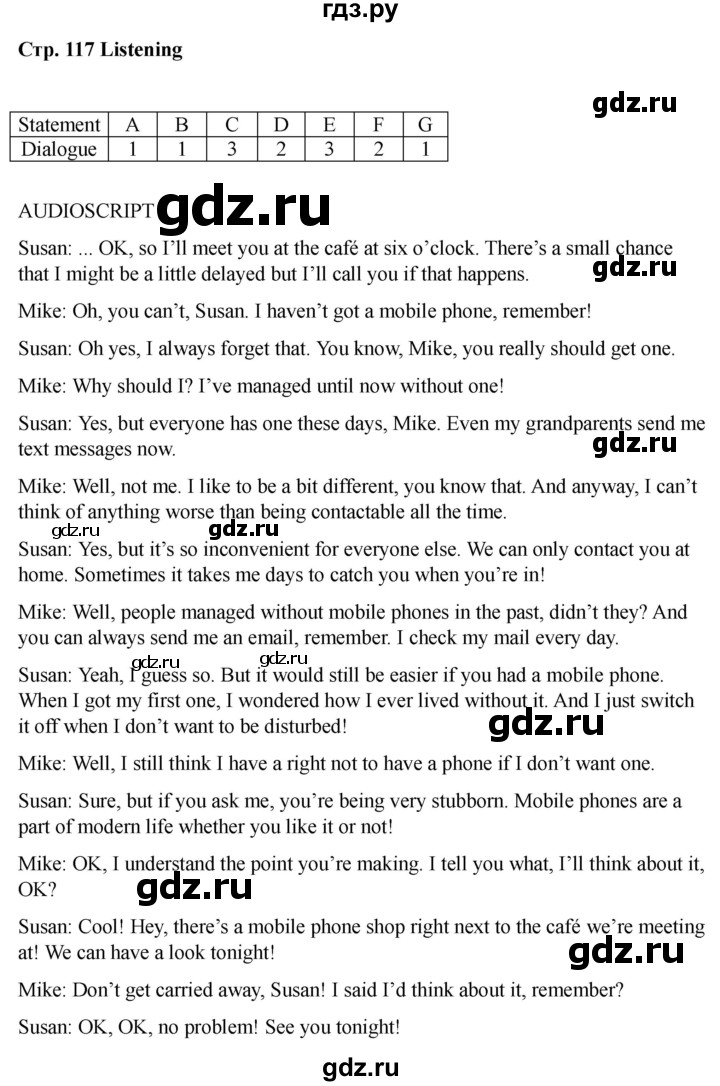
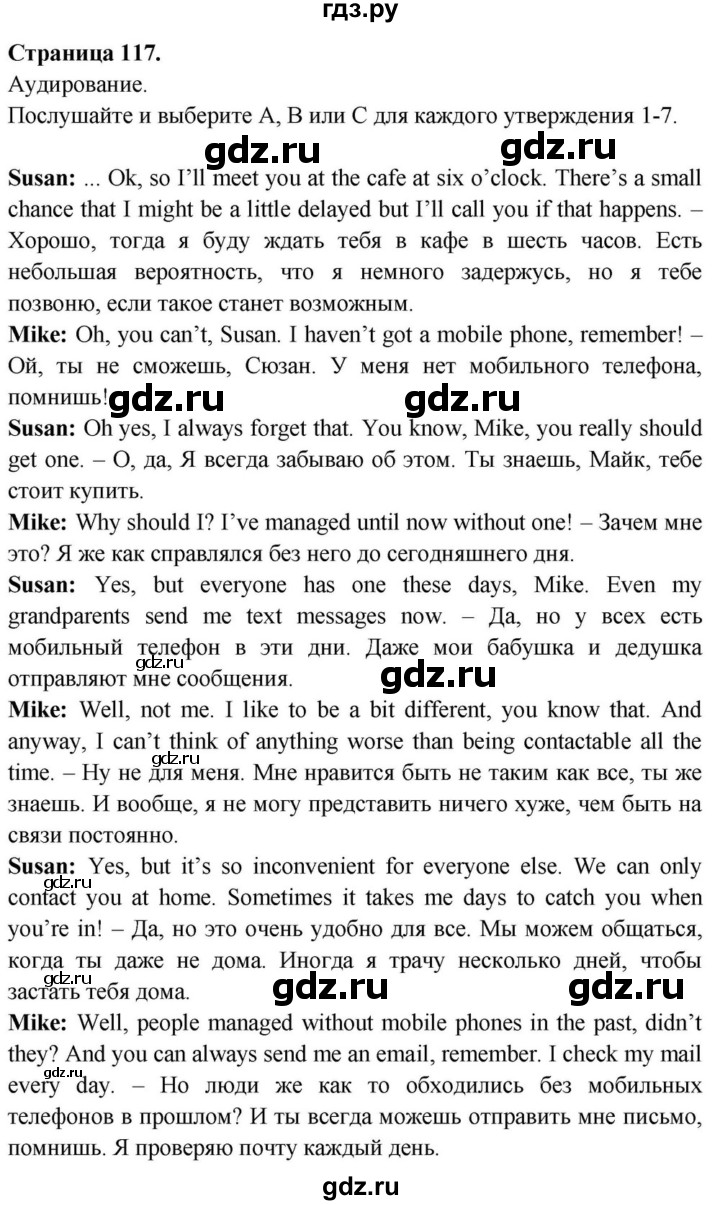
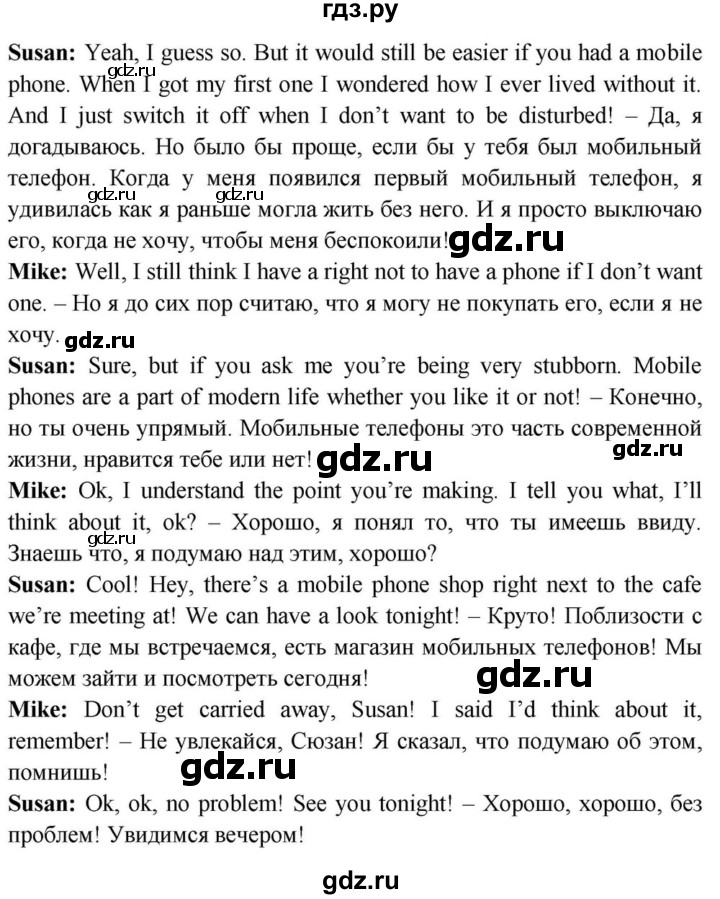
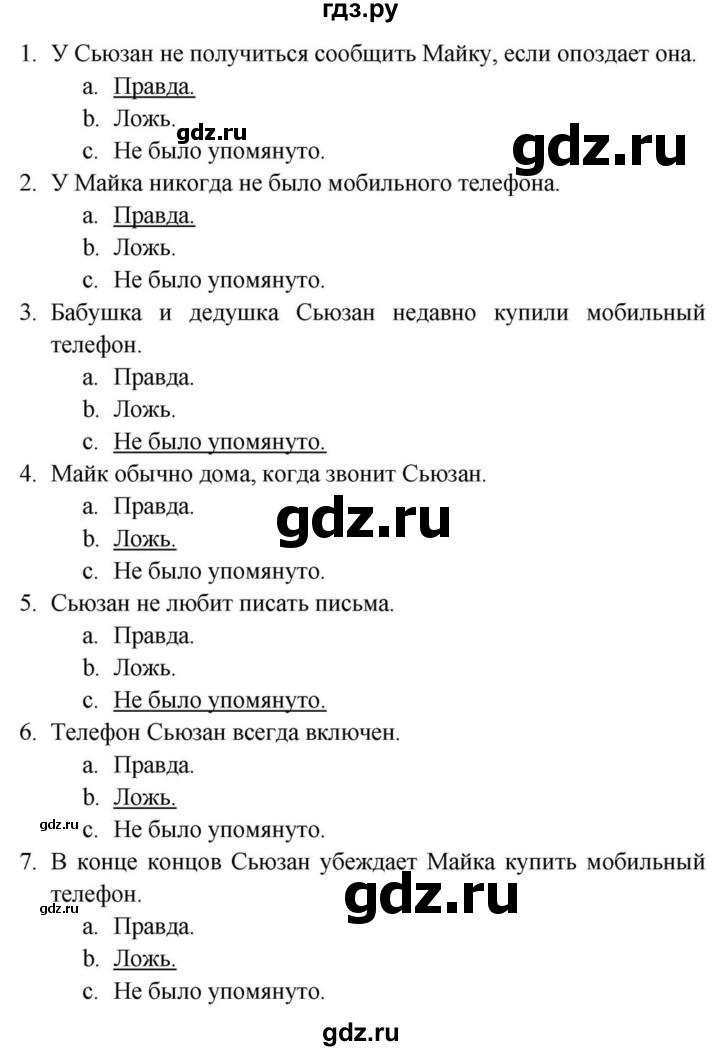
| A (1) | B (2) | C (3) | D (4) | E (5) | F (6) | G (7) |
|:---:|:---:|:---:|:---:|:---:|:---:|:---:|
| **2** | **3** | **2** | **2** | **3** | **2** | **1** |
*(1 — True, 2 — False, 3 — Not stated)*
---
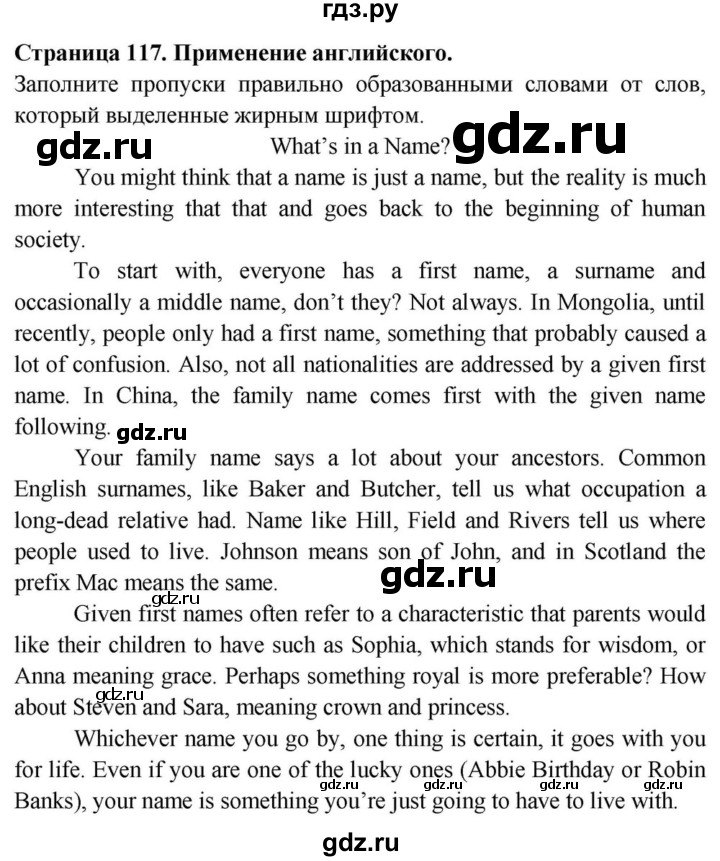
#### **RNE Grammar & Vocabulary**
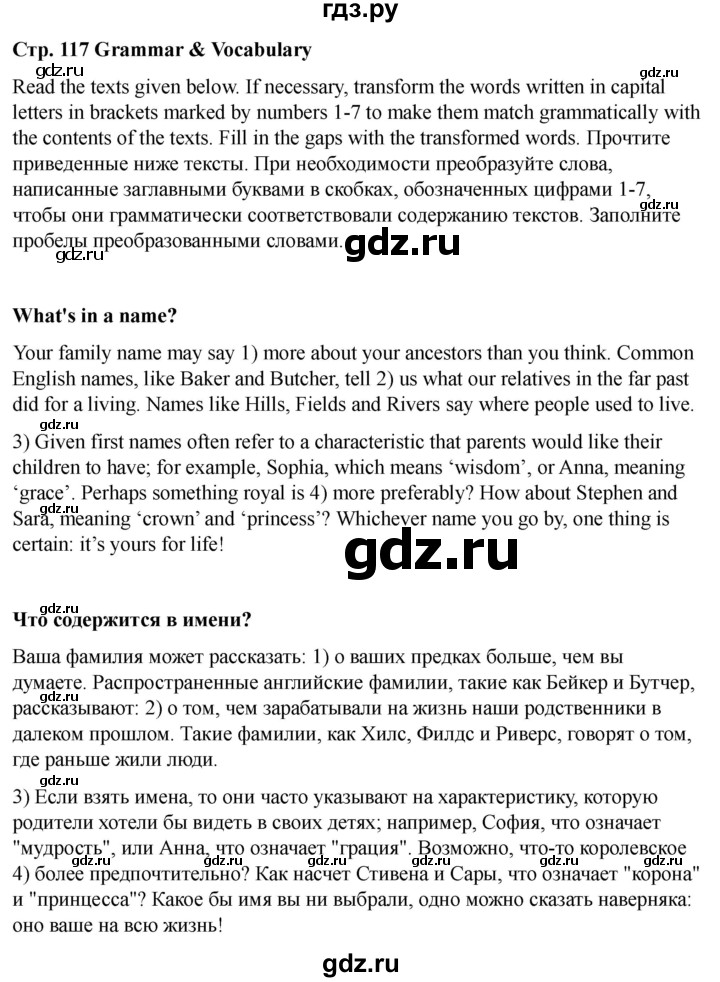
1. **more**
2. **us**
3. **Given**
4. **preferred**
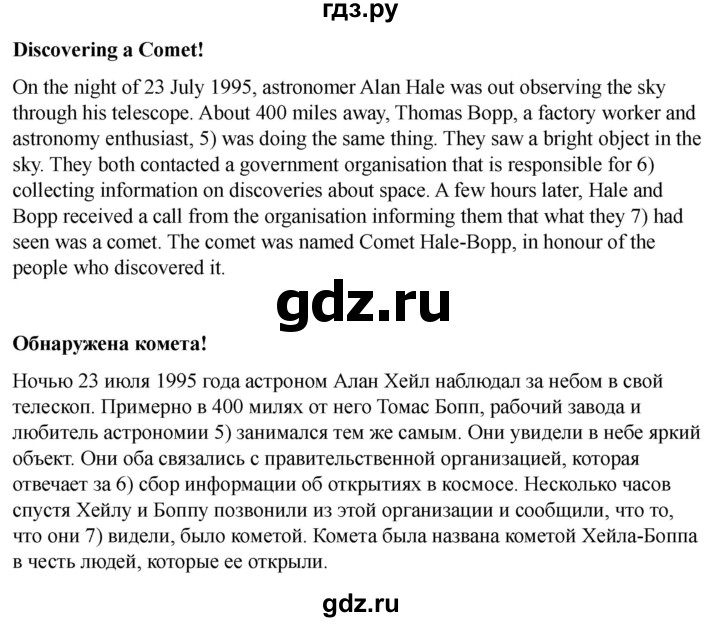
5. **was doing**
6. **collecting**
7. **had seen**
---
#### **RNE Writing**
**Sample Essay (238 words):**
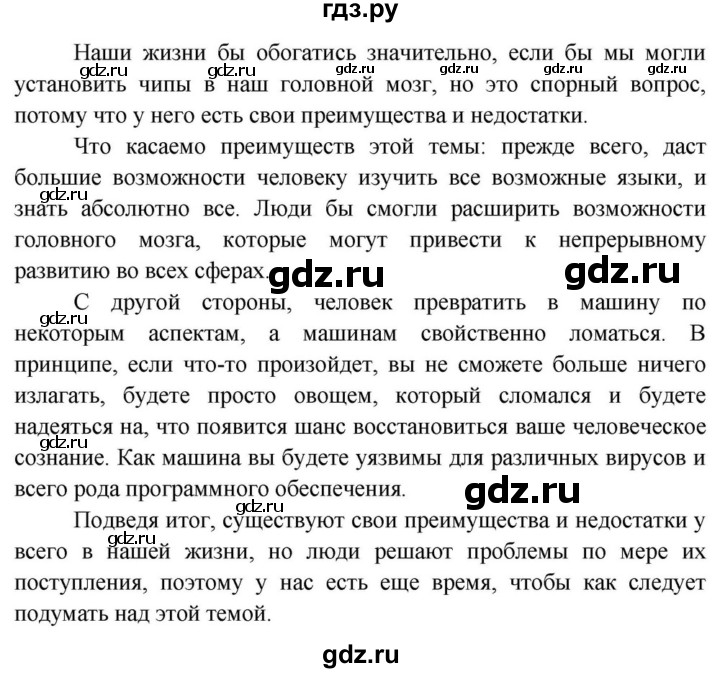
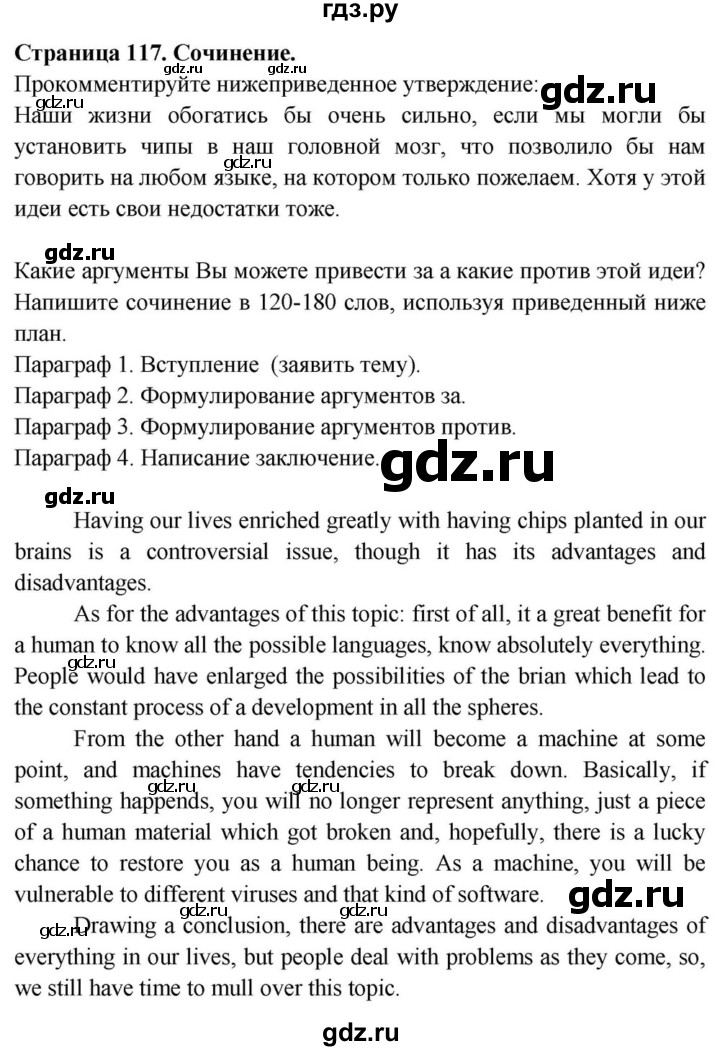
In today's globalized world, learning foreign languages is essential, yet it requires significant time and effort. Some people believe that implanting a special brain chip that allows us to speak any language instantly would greatly enrich our lives, while others emphasize the negative aspects of such technology.
In my opinion, although the idea sounds futuristic, the risks far outweigh the benefits. Firstly, relying entirely on a microchip would deprive us of the cognitive benefits that come from language acquisition, such as improved memory, critical thinking, and brain plasticity. Secondly, integrating electronic chips into the human nervous system poses severe health risks and raises privacy issues, as personal thoughts could potentially be hacked or controlled.
On the other hand, proponents of this technology argue that it would eliminate language barriers completely. They believe that international communication, global business, and travel would become effortless and accessible to everyone.
However, I cannot fully agree with this point of view. Language is not merely a combination of vocabulary and grammar rules; it represents culture, emotion, and human connection. A machine-based interface cannot convey cultural nuances and individual feelings as authentically as a human speaker who has studied the language and culture deeply.
In conclusion, while a language chip in the brain might offer instant fluency and practical convenience, I believe it would dehumanize the learning process and create dangerous dependencies. Traditional language learning remains much safer and more rewarding.
---
#### **RNE Speaking**
**Sample Monologue (12–15 sentences):**
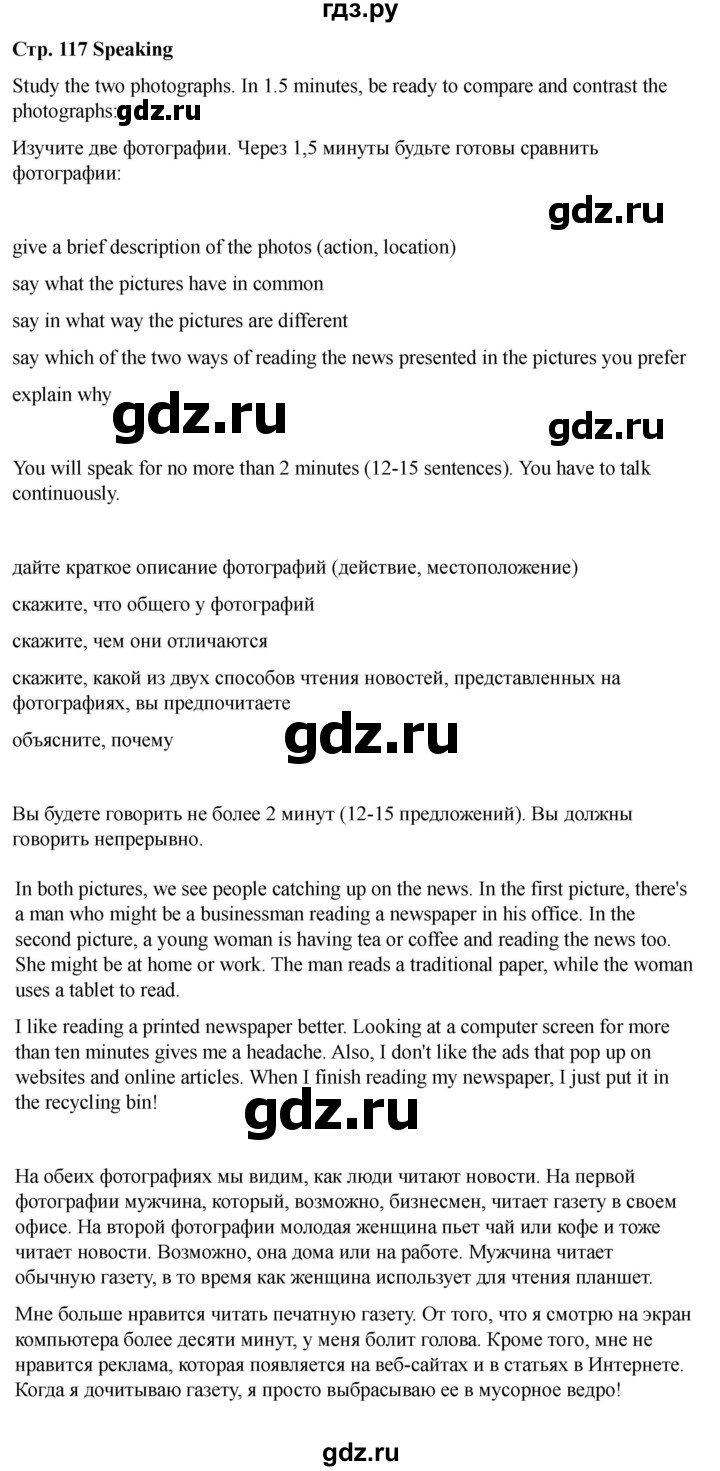
> "I would like to compare and contrast these two photographs.
>
> In the first picture, we can see a person sitting in a comfortable armchair indoors, holding and reading a traditional paper newspaper. In the second picture, a young person is sitting in a modern café and reading the latest news online using a tablet or smartphone.
>
> Both pictures have a lot in common: the subject of both photos is someone keeping up with current affairs and reading the news in their free time.
>
> However, there are significant differences between them. The main difference is the medium being used: the first photo shows a traditional printed press, which is physical and tangible, while the second photo features modern digital technology and an electronic screen. Another difference is the atmosphere and setting, as the first image depicts a calm home environment, whereas the second shows a public space.
>
> Personally, I prefer reading the news on digital devices, as shown in the second picture. The main reason is that online news is updated in real time, making it much faster to stay informed, and electronic devices are portable and save paper.
>
> That is all I wanted to say. Thank you for listening."
---
### Подробное объяснение и правила
#### **1. Grammar & Vocabulary**
1. **more** — сравнительная степень наречия/местоимения *much*. На нее указывает союз сравнения **than** (*say more ... than you think*).
2. **us** — объектный падеж личного местоимения *we*. После переходного глагола *tell* используется дополнение (*tell us* — «рассказывают нам»).
3. **Given** — причастие прошедшего времени (Participle II) от глагола *give*. Образует устойчивый термин: *given names* — «личные имена / имена, данные при рождении».
4. **preferred** — форма пассивного залога/причастия прошедшего времени (*is preferred* — «предпочитается»).
5. **was doing** — время *Past Continuous*. Описывает длительное действие, происходившее в конкретный момент в прошлом параллельно с другим действием (*Alan Hale was out observing ... Thomas Bopp was doing the same thing*).
6. **collecting** — форма герундия (V-ing), так как глагол стоит после предлога *for* в устойчивом выражении *be responsible for doing sth* («быть ответственным за что-либо»).
7. **had seen** — время *Past Perfect*. Обозначает предшествующее действие по отношению к моменту звонка в прошлом (*received a call ... that what they had seen was a comet*).
---
#### **2. Критерии эссе (Writing)**
* **Структура:** строго соблюден 5-абзацный план (введение с перефразированием проблемы, личное мнение + 2 аргумента, противоположное мнение + аргумент, контраргумент, заключение с перефразированием тезиса).
* **Объем:** 238 слов (входит в рамки 200–250 слов).
* **Стиль:** нейтрально-академический (без сокращений типа *don't*, без разговорных междометий).
---
#### **3. Критерии устного ответа (Speaking)**
* Включает краткое описание происходящего на обоих снимках, сходства, различия, четко выраженное предпочтение и обоснование.
* Использованы вводные фразы (*Both pictures have in common...*, *The main difference is...*, *Personally, I prefer...*).
* Объем составляет 13–14 предложений (укладывается в регламент до 2 минут).
Спасибо за оценку!



Открой больше возможностей
Войди через VK — задавай вопросы ИИ и сохраняй ГДЗ в избранное
